What Is a 24 Hour Electrician and When Do You Need One
What Is a 24 Hour Electrician and When Do You Need One
Blog Article
Electrical Repairs become necessary the moment something stops working safely in a home or small business, whether that means a flickering light, a tripped breaker that will not reset, or an outlet that feels warm to the touch. Most households experience at least one electrical fault each year, and the National Fire Protection Association reports that electrical failures cause roughly 13 percent of all home fires. When the problem occurs at 11 p.m. or on a weekend, owners often search for a 24 Hour Electrician who can arrive quickly and leave the system code-compliant. Choosing the right professional matters because a rushed or incomplete fix can create new hazards rather than solve the original one at. Many people assume any licensed contractor will do, yet training, insurance levels, and service scope differ widely. A residential specialist who focuses on single-family homes understands older wiring, service-panel upgrades, and low-voltage smart-home additions that commercial crews rarely handle. Likewise, a 24 Hour Electrician who maintains an inventory of common breakers and GFCI devices can finish most jobs on the first visit, cutting both downtime and cost. This article walks through the practical steps for finding reliable help, verifying qualifications, and preparing the home before the technician arrives. Electrical Repairs span a wide spectrum, beginning with the straightforward replacement of a single 15-amp breaker and extending all the way to the installation of whole-house surge protection systems. In most cities the governing code follows the National Electrical Code published by the NFPA, updated every three years. The 2023 edition, for example, now requires arc-fault protection in kitchens and laundry rooms for all new work. A qualified 24 Hour Electrician stays current with these changes and secures permits for any work that modifies the service entrance or adds new circuits how to choose 24. Typical residential calls include restoring power after a partial outage, correcting reversed polarity in outlets, and tracing ground faults that cause intermittent GFCI tripping. Small-business owners often request dedicated circuits for commercial refrigeration or point-of-sale systems that exceed the original 100-amp service. Each assignment calls for particular instruments, such as thermal imaging cameras and torque screwdrivers calibrated to precise manufacturer specifications. Handyman services may advertise “electrical work,” yet they often lack the licensing and insurance that protect homeowners when something goes wrong. General contractors sometimes assign electrical tasks to the lowest bidder, which can lead to code violations discovered only during insurance inspections. A dedicated Residential Electrician maintains at least a journeyman or master license, carries liability coverage of one million dollars or more, and participates in continuing-education programs covering NEC updates. This focused training reduces callbacks and helps keep repair costs predictable. Emergency electrical service fees typically fall between $120 and $200 hourly, always subject to a minimum one-hour charge. Parts such as AFCI breakers or tamper-resistant receptacles add $25–$75 each. A service call that begins at 2 a.m. may finish in 45 minutes if the fault is a single overloaded circuit, yet the same trip could stretch to three hours if the panel label is missing and the technician must map every circuit. Homeowners who request a written estimate before work begins avoid surprises; reputable firms email a flat-rate quote within 30 minutes of the initial phone assessment. Many insurance policies cover emergency electrical repairs when the issue creates a genuine fire or safety risk. Detailed invoices that list labor, materials, and trip charges allow adjusters to separate covered damage from routine maintenance. Proactive upgrades such as whole-house surge protection or a generator interlock kit can lower insurance premiums and reduce the likelihood of unexpected nighttime service calls. Search volume for “24 Hour Electrician near me” spikes during storms and heat waves when air-conditioning compressors draw extra current. Local licensing boards publish disciplinary records online, so a quick license lookup can reveal prior complaints. In addition, county property-appraisal sites often list the age of the home and the last recorded electrical permit, giving a technician a head start on what to expect inside the walls. Traffic patterns matter too. A company whose service area includes your ZIP code can reach most jobs within 45 minutes even at 3 a.m.; firms based 30 miles away may quote longer response windows. Checking recent Google reviews for phrases such as “arrived fast” or “explained the breaker issue” provides social proof that the advertised availability is real rather than aspirational. Keep a laminated one-page diagram of your panel schedule near the service entrance so any technician can identify critical circuits without tracing wires at 3 a.m.Electrical Repairs Explained: From Simple Fixes to Major Upgrades
Comparing Licensed Residential Electricians with Other Options
Understanding Emergency Electrician Pricing Structures
Choosing an Emergency Electrician in Your Area
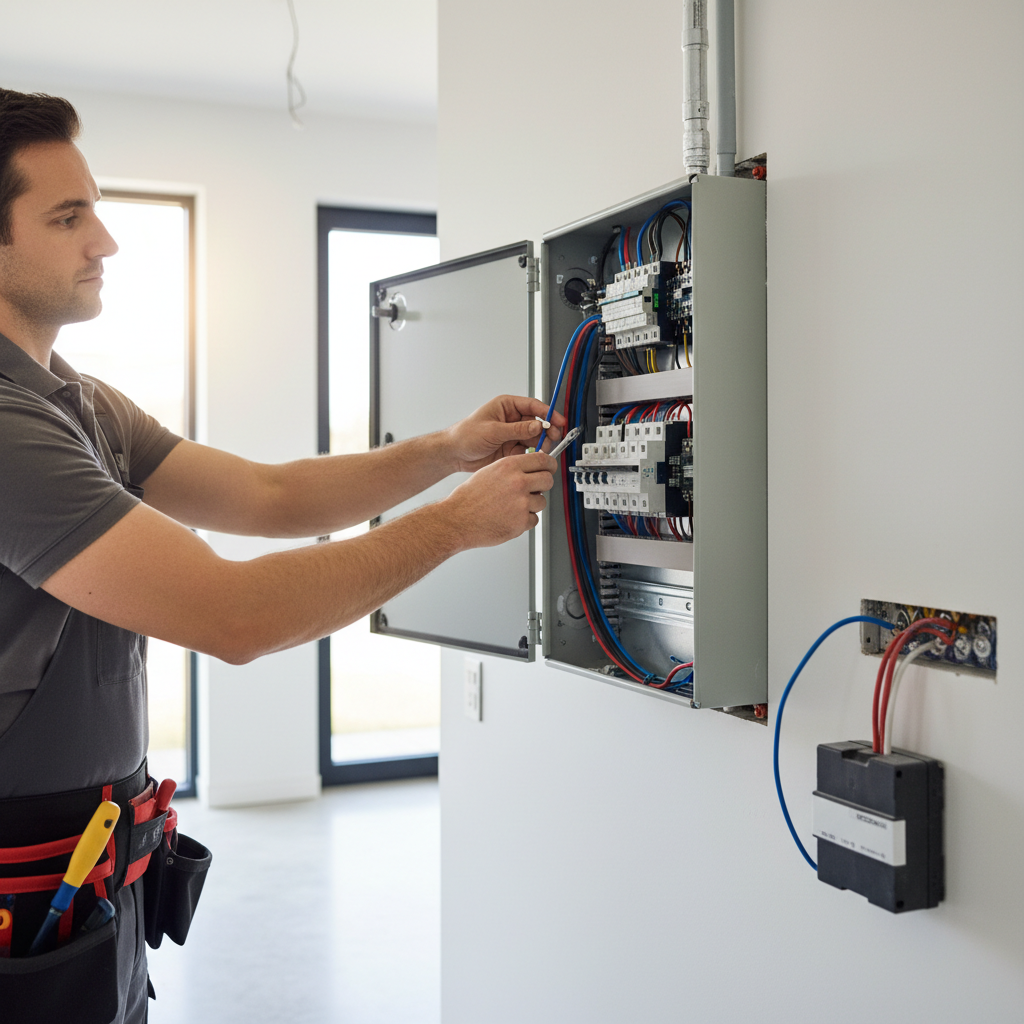 how to choose 24 Hour Electricianhow to choose 24 Hour Electrician
Professional 24 Hour Electrician Tips for Small Business Owners
Electrical Repairs
Frequently asked questions
When should homeowners contact an emergency electrician during off-hours
A 24-hour electrician is a licensed technician who responds when regular shops are closed. Reach out immediately if you lose power without warning, smell burning plastic near outlets, see breakers trip repeatedly, or face any hazard that waiting until morning would turn into a safety or financial problem.
How do I pick a trustworthy after-hours electrician for my house
Verify the contractor’s state license number on the licensing board website, confirm at least one million dollars in liability insurance, and read recent reviews that mention response time and clean workmanship. Ask whether the company stocks common residential breakers and offers flat-rate quotes before dispatch.
What is the average 24 Hour Electrician cost for a nighttime service call
Most metropolitan areas see rates between $120 and $200 per hour after 8 p.m., with a one-hour minimum. Extra parts like AFCI breakers or GFCI outlets add twenty-five to seventy-five dollars each. Request a written estimate before the technician leaves to keep the final total within ten percent of the quoted figure.
What training separates a residential electrician from a commercial one
Residential training centers on single-phase 120/240-volt systems, knob-and-tube wiring, and load calculations for household appliances such as ranges and tankless heaters. Commercial work focuses on three-phase power, conduit bending, and larger service upgrades, so a residential specialist usually finishes home jobs faster and at lower cost.
Can I perform minor Electrical Repairs myself to avoid after-hours fees
Local codes allow homeowners to replace receptacles and switches in their own dwelling, yet any work that involves the service panel, new circuits, or permits must be completed by a licensed electrician. Poor DIY fixes can cancel insurance coverage and create fire risks that cost far more than the avoided service fee.
Which items belong on a pre-arrival checklist for an electrician visit
A thorough Residential Electrician checklist covers locating the main panel, identifying affected circuits, clearing workspace access, securing pets, shutting off non-essential loads, and confirming payment method. Handling these items ahead of time shortens diagnostic time and lowers the final invoice.
Electrical Repairs rarely announce themselves during convenient hours, yet preparation and the right professional turn an emergency into a manageable task. Maintaining accurate panel charts, keeping essential replacement components nearby, and confirming credentials beforehand helps residents and small-business operators restore service rapidly while staying safe.
When the lights go out or an outlet sparks, the difference between a smooth resolution and a prolonged outage often comes down to choosing a 24 Hour Electrician who arrives prepared and leaves the system better documented than before the call.